
Supporting wellbeing and mental health at St John's
CAN WE HELP?
At St. John’s, we know that life can sometimes be tricky, and we would like to help if we can.
We will be sharing ideas here for both children and parents, and we will also try to signpost you to other organisations that may be able to help.
CHILDREN'S MENTAL HEALTH WEEK 2027
Mark the dates 1-7 February 2027 in your calendars! This year, Children's Mental Health Week 2027 is taking place just a couple of weeks before February half term.
This year's official theme is 'Step Into Our World' and we're encouraging everyone to see the world through children and young people's eyes.
Our Champions


Healthy Bodies, Healthy Minds
Each Tuesday lunchtime, 12-15 to 12-45, our new Y5 group meet the Mental Health Champions in the Meeting room.
We find out how we are all feeling, play some games and then set ourselves a challenge to complete before the next session.
So far we have tried to see how good we are at estimating time and if we are good listeners or not.
We are going to continue with our Year 5 group until half term.
We went for a walk in the sunshine today. We listened to the birds and saw the spring blossom. It was so refreshing and lifted our spirits.


- The KEEP YOUR COOL TOOLBOX This is a free website which suggests ideas and strategies for adults who are living with children who may be finding things difficult to manage. It has some great ideas and suggestions. Please take a look!
Help From Lancashire Minds for Adults and Children over 10 years
Talking to your child about Mental Health
A letter from our Mental Health Support Team
Normalising anxiety
Firstly, it’s important for adults to normalise anxiety with children.
When teachers, therapists and parents talk openly about their own experiences of anxiety, while encouraging children to do the same, it builds emotional literacy, resilience, self-esteem and much more!
When we reassure children that it’s OK not to be OK, it can help to reduce the stigma surrounding mental health and encourage young people to develop their own self-regulation tools.
A simple way to normalise anxiety is to schedule Worry Time: a regular time slot for a young person to talk, write or draw about what’s on their mind with a trusted, non-judgemental adult.
This can be an effective way of encouraging children to face their fears while getting any anxious thoughts and feelings off their chest. It doesn’t have to be a problem-solving activity; it can simply be a chance to listen and create a safe space for the young person to let go of the anxious thoughts and feelings weighing them down.
Mindfulness-based cognitive therapy (MBCT)
Cognitive behavioural therapy (CBT) is based on the idea that our thoughts, feelings and behaviours are linked, and it uses therapeutic approaches to help us change our thoughts and behaviours.
Mindfulness is the practice of paying attention to the present moment in a non-judgemental way. This may be through meditation, movement, focusing on the breath, or anything else that helps us focus on the here and now.
Like CBT, mindfulness has been shown by research to be an effective coping strategy for anxiety, helping to reduce common behavioural, psychological and physical difficulties in children and young people.
Mindfulness-based cognitive therapy combines the two approaches and can be used to support the wellbeing of children, young people and adults. A simple, practical technique that draws on both is STOPP, outlined in the table below.
| STOPP | EXAMPLES OF ACTIVITIES WHICH CAN BE SIMPLIFIED |
|---|---|
| Stop | Take a moment to pause and step back from the situation. This can be by encouraging a young person to look at a calming object like a calm down jar, to shift their focus. |
| Take a breath | Encourage the young person to be aware of their breathing to help find a sense of calm from within. This can be connected to a breathing exercise like slowly counting to 5 as they breathe in and out. |
| Observe | Develop self-inquiry skills without judgement and prompt the young person to observe one or some of their responses to the following.
|
| Pull back | Put things into perspective by prompting the young person to think about the bigger picture.
|
| Proceed – practise what works | When the young person is ready, encourage them to move forward and think about next steps.
|
Conscious breathing
When a person experiences anxiety, their breathing tends to become shallow or faster. In contrast, when they become aware of their breathing and take slow, steady, full breaths, this activates the parasympathetic nervous system, which helps to bring a calmer, more balanced state to the mind and body.
Conscious breathing has many benefits; in particular, it can help to reduce anxious thoughts and feelings and uncomfortable physical sensations. A good way to help children practise conscious breathing is through easy-to-follow practical activities, including breathing apps such as Headspace and Calm.
The book Mindful Little Yogis contains over 50 practical and inclusive guided breathing activities for children and young people, particularly those with special educational needs. One of these is Five Finger Breathing, in which children trace around one hand with a finger of the other, breathing in as they trace up each finger and out as they trace down.
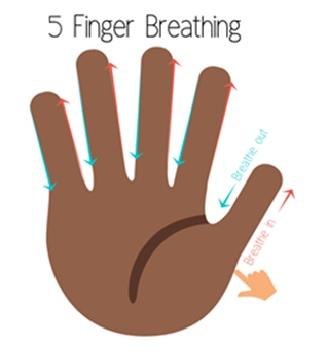
For step by step guidance on how to do five finger breathing, take a look at Dr Pooky Knightsmith's video.
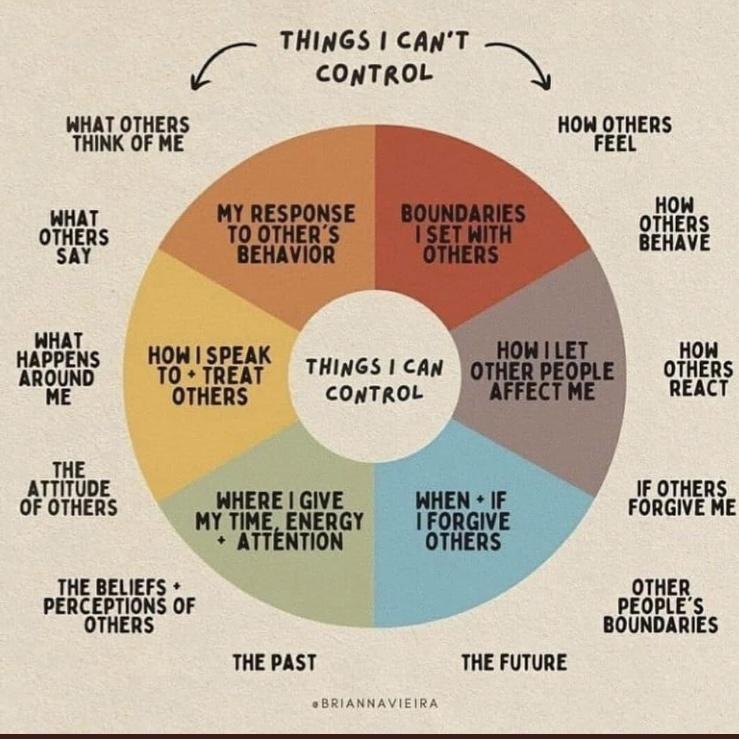
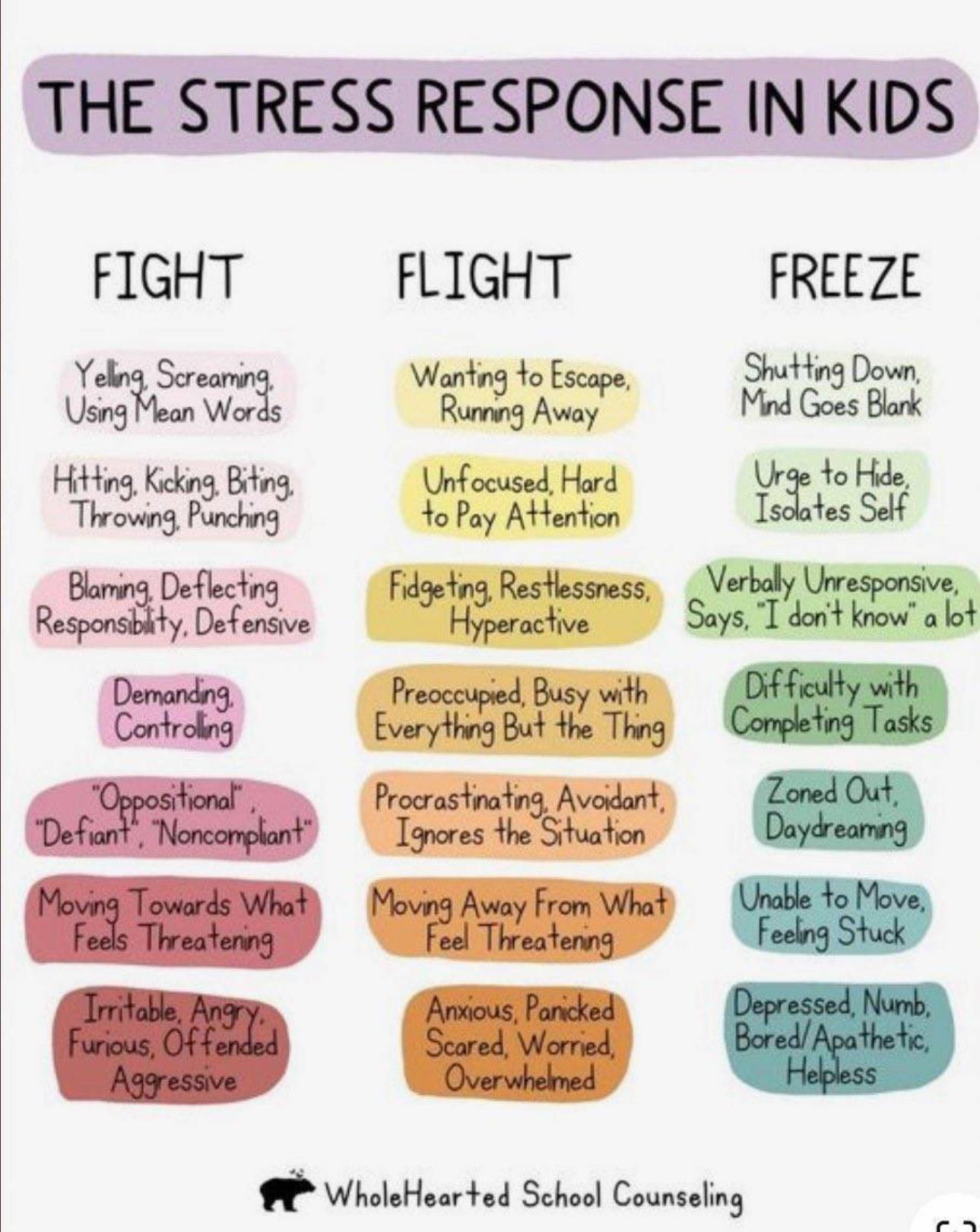
This short book has ideas for all the family.
- Lucy's Blue Day Watch this short video which explains that it's OK to feel sad.
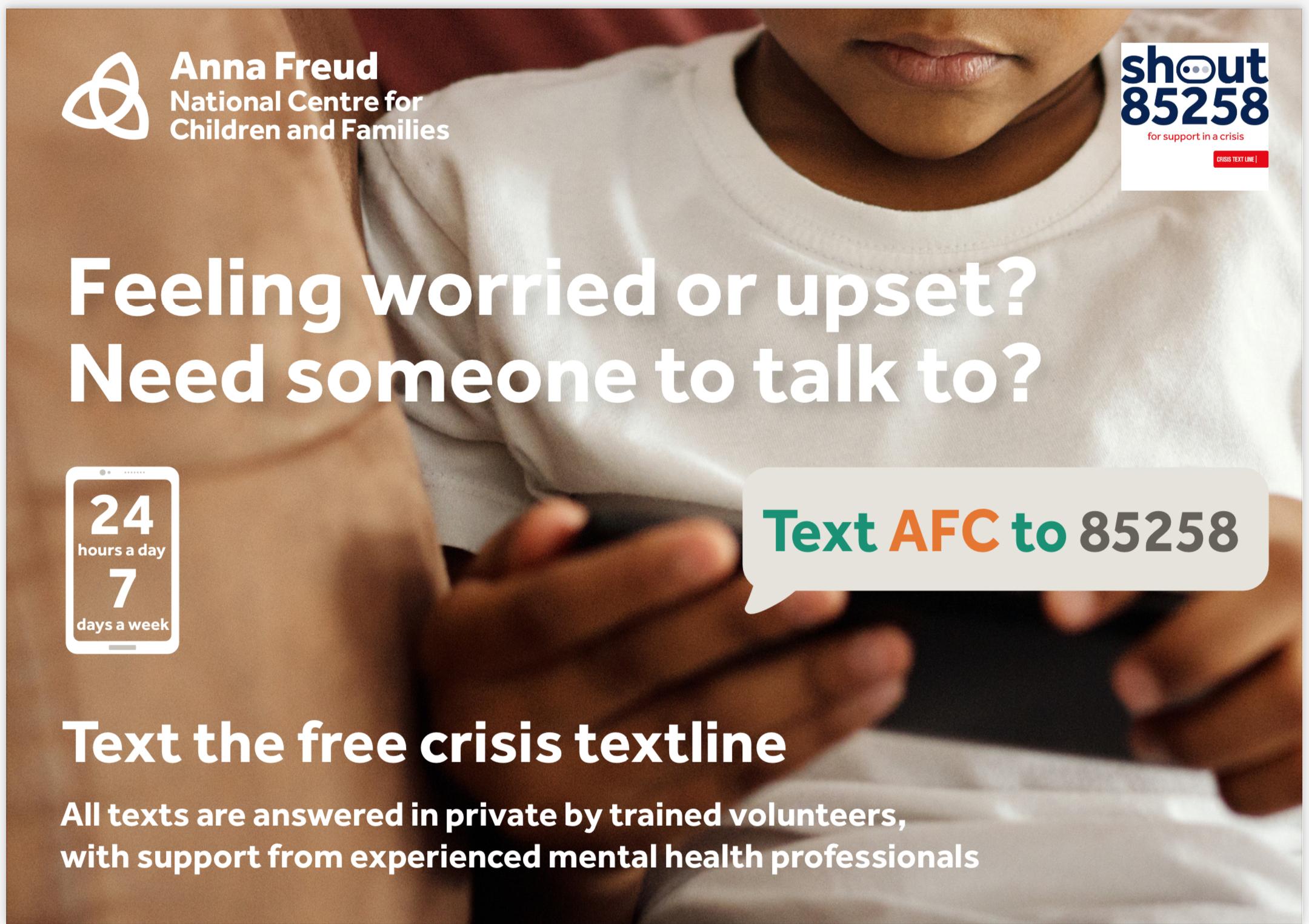
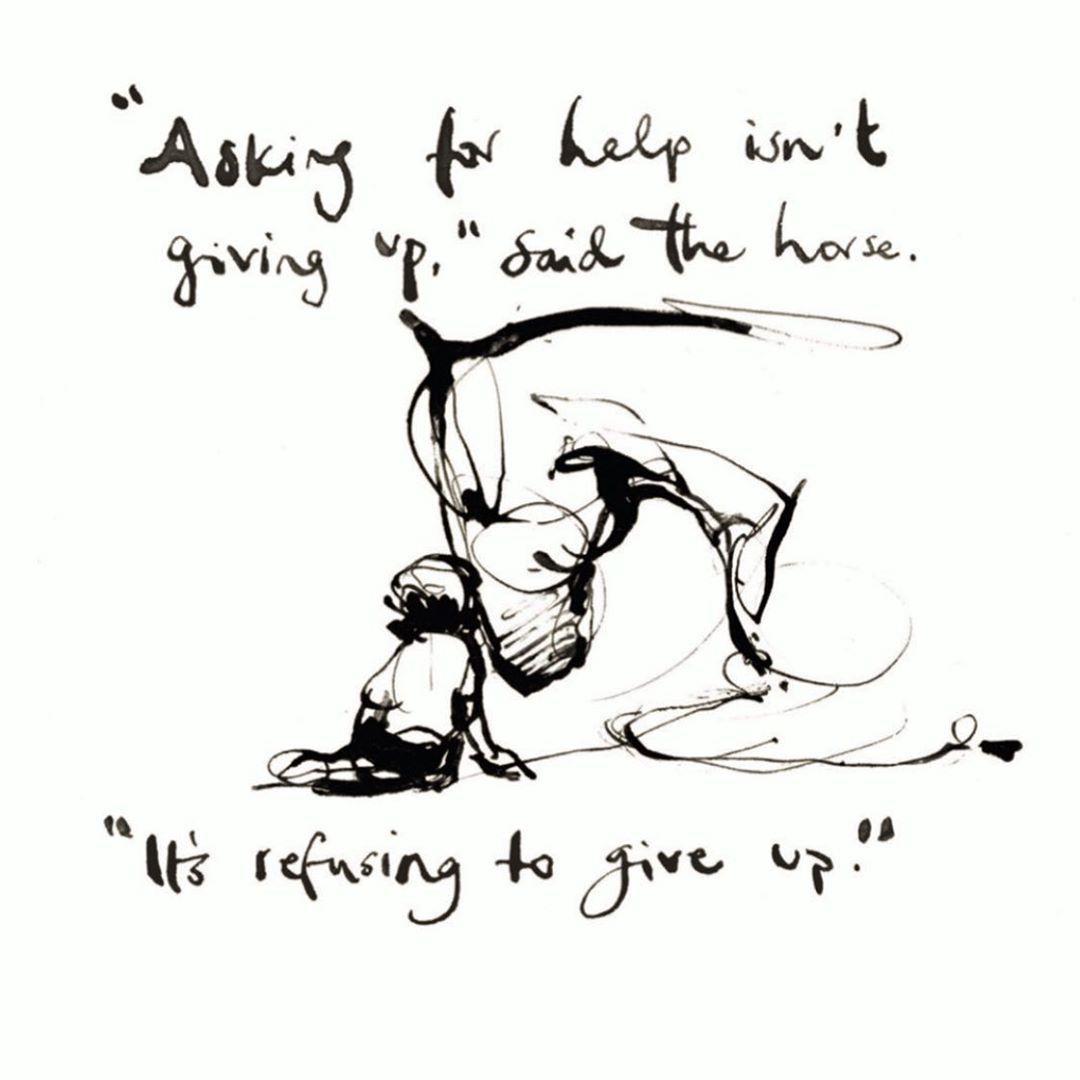
Talking to your child about feelings and mental health
- Talking mental health with children at primary school (Anna Freud): you’re never too young to talk about feelings.
- Seven ways to support children and young people who are worried (Anna Freud): practical ideas based on CBT.
- Parenting Smart (Place2Be): free advice for parents of primary-age children on anxiety, friendships, meltdowns, sleep and more.
Anxiety and worries
- Parents’ A–Z mental health guide (YoungMinds): includes a guide to helping your child with anxiety.
- YoungMinds Parents Helpline: 0808 802 5544. This is a free helpline, open Monday to Friday, 9.30am to 4pm. It is for any adult worried about a child’s mental health or emotional wellbeing. southtyneside
Upsetting news and world events
- How to talk to children about difficult topics (NSPCC)
- Advice if you’re upset by the news (BBC Newsround): written for children, so you could read it together.
- Coping with world news (Childline)
Staying safe online
- Advice for parents and carers (Childnet): includes ideas for starting conversations about what your child sees online.
Local support
- Healthy Young Minds (Lancashire and South Cumbria): the NHS website for children’s mental health in our area. It has a section for parents and carers and information about local services.
If your child needs to talk to someone
- Childline: 0800 1111. It’s free and confidential for under-19s.
- The Little Book of Coping Skills Have a look through this book. It may give you some simple ways of helping yourself feel better
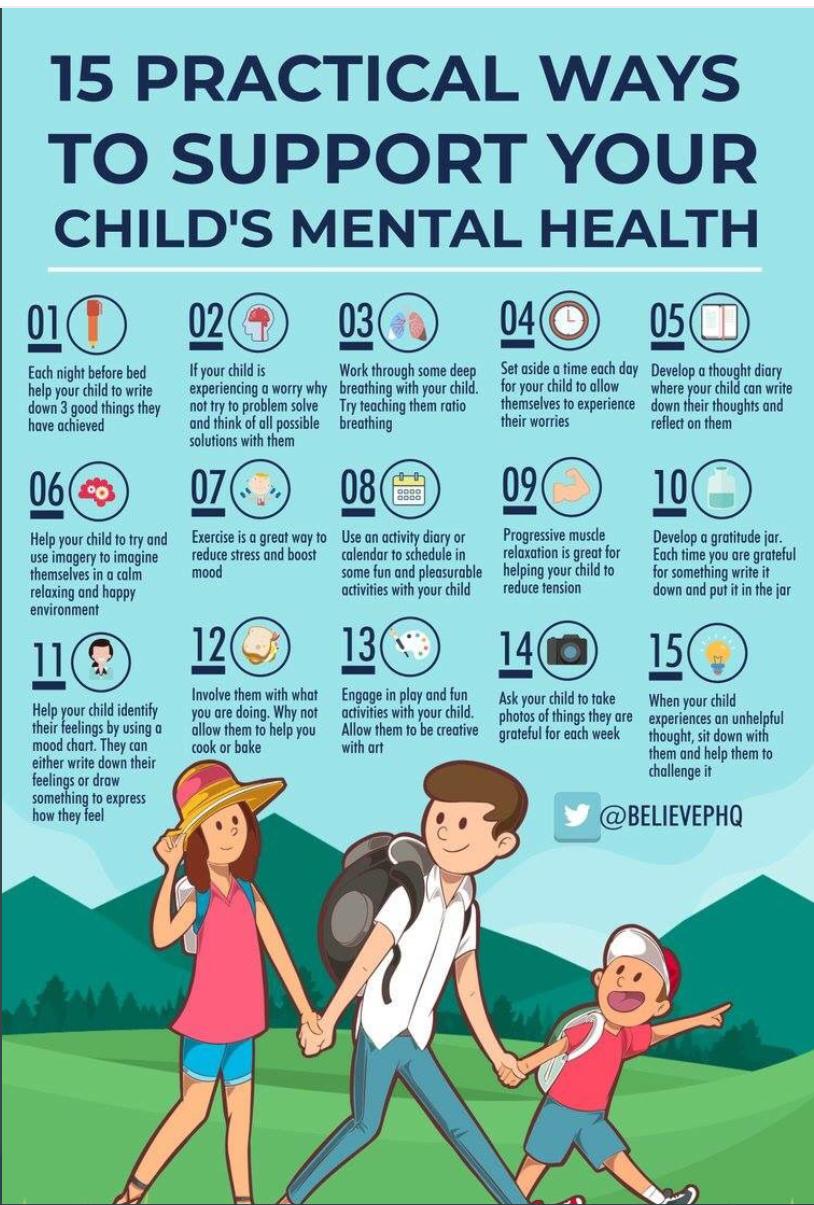
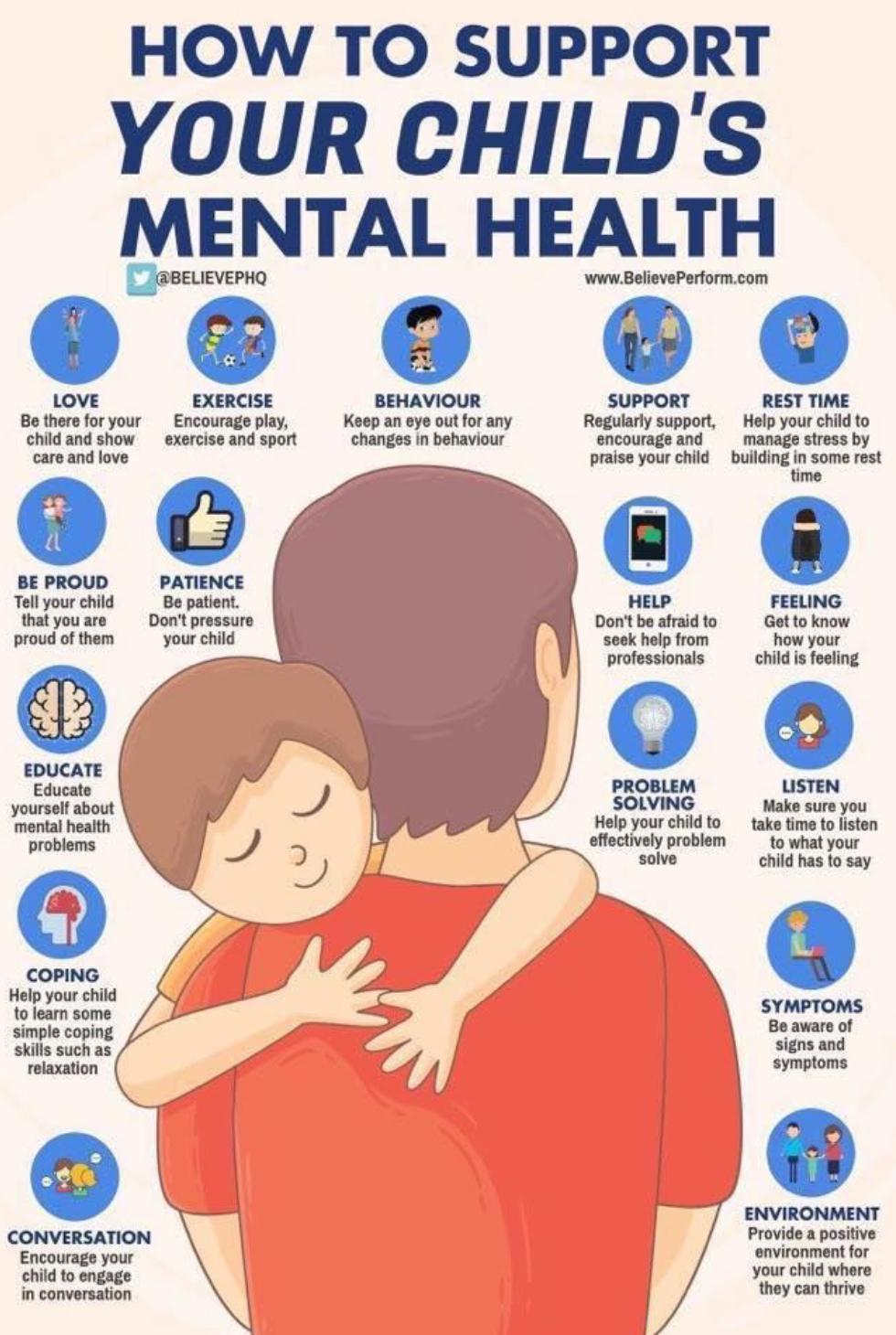
- Children's Mental Health Week Assembly Why not view this special assembly with your children!
- Place 2be Try these free resources with your children.
- Everybody Worries
- Draw your feelings. A simple activity where you watch a video and then try to draw your feelings.
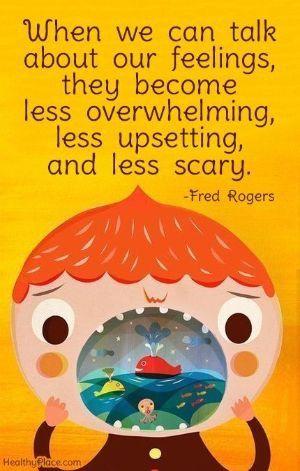
- TOP TIPS! Ideas for you and your children to express yourselves
- Play the Squiggle game! A 1 minute game to play with your children. Have some fun!
Top tips to support children and young people
Be there to listen
Regularly ask how they’re doing, so they get used to talking about their feelings and know there’s always someone to listen if they need it.
Support them through difficulties
Pay attention to their emotions and behaviour, and try to help them work through difficulties. It’s not always easy when faced with challenging behaviour, but try to help them understand what they’re feeling and why.
Stay involved in their life
Show interest in their life and the things that are important to them. This not only helps them value who they are, but also makes it easier for you to spot problems and support them.
Encourage their interests
Being active or creative, learning new things and being part of a team help us connect with others, and are important ways we can all look after our mental health. Support and encourage them to explore their interests, whatever they are.
Take what they say seriously
Listening to what they say and valuing it, without judging their feelings, helps them feel valued. Think about how you can help them understand and work through their emotions.
Build positive routines
Regular routines, healthy eating and exercise all help children feel settled and secure. A good night’s sleep is also really important.
Adapted from NHS Every Mind Matters.
- Help and advice for parents and carers (YoungMinds): it’s completely normal to feel worried, scared or helpless during difficult times, and feeling this way is nothing to be ashamed of.
- YoungMinds Parents Helpline: if you’re concerned about a child’s mental health, you can get free, confidential advice by phone or webchat. The number is 0808 802 5544.
- Your Mind Plan (NHS): a quick quiz for parents and carers that gives you a personalised plan to help with stress, sleep and mood.